
UK Sanctions Target Houthi Leadership, Disrupting Funding and Operations
-
 المنتصف نت
- منذ 22 دقيقة

The United Kingdom has imposed new sanctions on four Houthi leaders and the group itself, marking a significant escalation in international efforts to curb the militia's activities. The measures, announced on Tuesday, aim to freeze assets, restrict travel, and prevent Houthi officials from holding leadership positions in companies, signaling a multi-faceted pressure campaign to cut off funding and supplies.
These sanctions extend beyond freezing assets in British banks, targeting the Houthi entity for the first time as a whole. This move is designed to disrupt financial flows, block front companies used by the group, and increase the cost of their escalatory actions. Observers note that these sanctions operate on four key levels: financial, military, security, and logistical.
Financially, the sanctions aim to dry up external funding sources crucial for the Houthis' procurement of missile and drone components. This comes after the group reportedly lost over 40% of its monthly revenue due to tightened remittance channels and U.S. terror designations. Militarily, the sanctions complement broader efforts, including a recent UN Security Council resolution spearheaded by the UK, which extended the arms embargo and expanded prohibitions to include dual-use components and precursor chemicals used in weapons manufacturing.
On the security and intelligence front, targeting individuals like Abdul Karim Al-Houthi, the Houthi Interior Minister, and Abdul Hakim Al-Khuwani, head of intelligence, aims to freeze their assets and travel, limiting their ability to use external channels for funding or other activities. It also internationally documents their alleged responsibility for torture and sexual violence in detention centers, potentially opening the door for future international legal action and weakening the legitimacy of Houthi security apparatus.
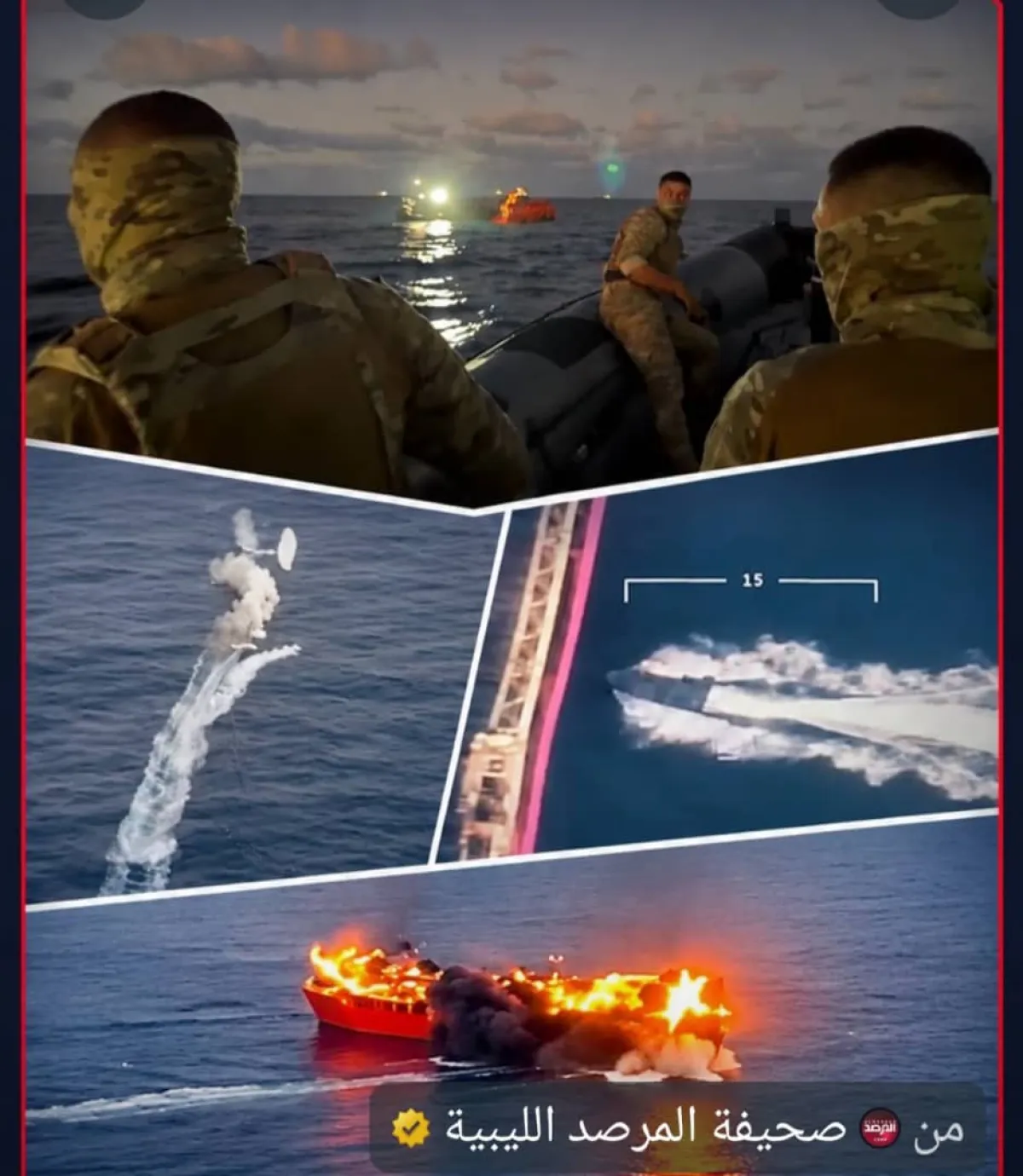
The logistical and maritime dimension involves supporting the Yemeni Coast Guard with equipment and patrol boats to intercept illicit arms shipments, directly linking sanctions to field operations aimed at severing maritime supply lines. Experts believe the cumulative impact of these measures, while not immediately crippling, will significantly constrict the Houthis' ability to rearm and sustain domestic manufacturing, thereby increasing the cost of any future escalation for the group and its backers.
Regionally, the sanctions send a clear message of solidarity with Saudi Arabia and the internationally recognized Yemeni government, explicitly linking the measures to Houthi escalations against civilian infrastructure. Internationally, the designation of the Houthi entity as a whole, beyond individual sanctions, adds a new financial and legal layer to existing UN arms embargoes. The UK also highlighted that Houthi control over Bab al-Mandeb Strait increases living costs globally, linking Red Sea security directly to domestic economic interests.
The human rights dimension of these sanctions is particularly noteworthy, as they are reportedly based on violations within Houthi detention facilities, including torture and sexual violence. Targeting judicial figures like judges and prosecutors aims to document the systematic nature of repression and could pave the way for further international accountability measures, potentially including terror list designations.
The sanctions are also seen as an indirect message to Iran, underscoring the UK's consideration of additional measures to disrupt Iranian funding and armament networks supporting the Houthis. While not directly sanctioning Iran, London's actions signal a coordinated effort to dismantle these support structures. The UK government stated that the Houthis' activities threaten peace, security, and stability in Yemen and the region, including attacks on commercial shipping and regional partners like Saudi Arabia.