
Syria-Lebanon Border Intercepts Highlight Hezbollah Arms Smuggling Challenges
-
 المنتصف نت
- منذ 18 دقيقة
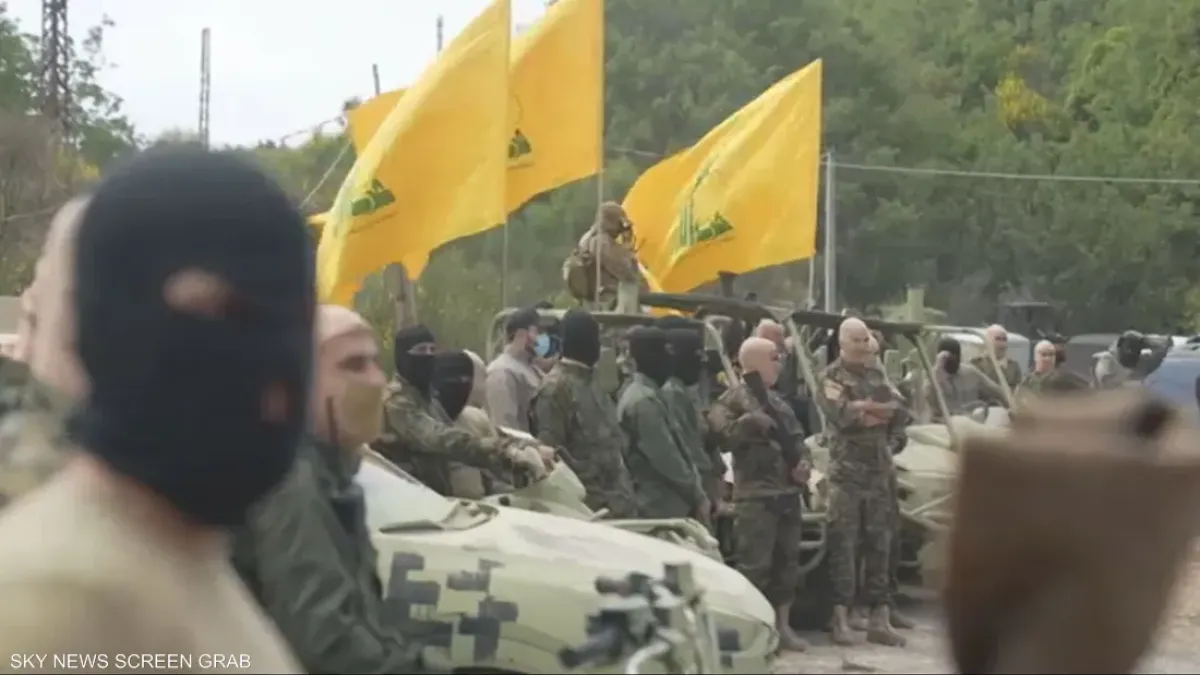
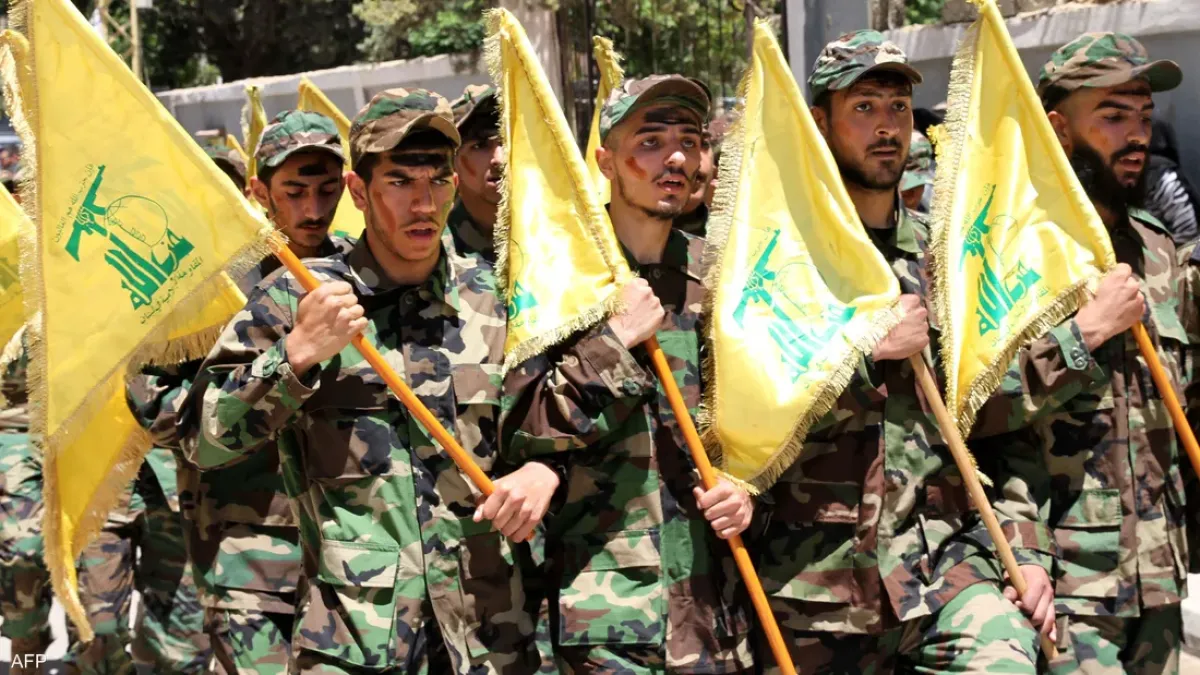
Recent interceptions of weapons and explosives by Syrian and Lebanese authorities targeting smuggling routes into Lebanon underscore Hezbollah's ongoing efforts to replenish its arsenal amid heightened border security and evolving political dynamics that have complicated traditional supply lines through Syria.
Authorities in both countries announced coordinated operations on the second of the current month, resulting in arrests of individuals involved. These actions coincided with intelligence reports indicating that Hezbollah is exploring alternative, more complex land routes, potentially involving Iraq and Syria, as well as passages through the Kurdistan region of Iraq and Turkey.
Security and strategic affairs expert Diaa Qaddour stated that the coordination between Syria and Lebanon is constricting smuggling channels. Concurrently, international relations researcher Ali Shukr asserted that Hezbollah will persist in its attempts to acquire weaponry despite supply difficulties.
Qaddour believes that Hezbollah is mistaken if it assumes the Syrian geography remains as accessible for arms transshipment as it once was. He noted that the Syrian army has gained control over bases, depots, and stockpiles previously utilized by cross-border militias and the Iranian Revolutionary Guard Corps. Qaddour characterized the Syrian-Lebanese rapprochement as a "historic moment," suggesting that relations are developing between the governments and their institutions, rather than through armed groups.
He pointed to the visit of the Lebanese Interior Minister to Syria and the simultaneous nature of the seizures as indicators of both countries' efforts to assert sovereignty. Qaddour added that Damascus has foiled over six attempts to smuggle drugs and weapons in the past two months, according to information he presented. He highlighted the seizure of explosives and detonators on both sides of the border, suggesting the quantities raise questions about their intended targets and potentially link to efforts to rebuild the party's arsenal, possibly for internal use or for attacks within Syria.
Qaddour revealed ongoing communications between the Revolutionary Guard Corps, Iraqi militias, and former elements in Al-Bukamal and Deir Ezzor, stating that Syrian authorities are monitoring and disrupting these movements. He posits that the narrowing of routes has compelled Hezbollah to rely on dangerous, narrow mountain passes, coinciding with increased Lebanese scrutiny of Beirut Airport. In his assessment, this does not signify an end to such attempts but rather an increase in their difficulty and a reduction in the capacity of networks to use Syrian territory as an open conduit for supplies.
Conversely, Shukr acknowledged that Hezbollah has lost the Syrian route it previously depended on, and that importing arms via Beirut Airport, the port, and land borders has become more challenging. However, he affirmed that the party will continue its pursuit of weaponry, with the decision to proceed resting with its leadership. While recognizing the Lebanese state's right to make operational decisions, Shukr maintained what he described as the "right to resistance," linking his position to the continuous Israeli threat. He argued that the residents of southern Lebanon express their choices through elections and referenced Hezbollah's role in ending the Israeli occupation of the south in 2000 to defend the legitimacy of its arms.
The divergence between the two experts reflects a broader disagreement that extends beyond supply routes to the legitimacy of Hezbollah's role, although both concur that arms procurement attempts are facing more stringent limitations than in the past.